

AI & research
AI in environmental journalism
My FTC 2025 talk, with the recording, published paper and context for that stage of the research.
Talk · 2025 · EnglishWatch the talk & explore sources
Science · AI · Technology
Understanding technology before it becomes everyday life.
I’m Torsten. I want to understand what new ideas can do, where their limits lie and what they mean for everyday life. On TechJournal, come along with me — into the studio, to the computer and out into the field.

Current research
Preprint · not peer reviewed
v1 · submitted 15 September 2026AIJIM · Publication Authority
A person approves a text. Then a source or sentence changes. What does that approval still cover? Our public preprint explores how a claim, its evidence and a human decision can remain bound to the same publication state. This concerns accountability, not automatic truth.
A thought experiment
At this sampling point, today's reading was below the threshold.
The decision applies to this exact claim with this exact evidence.
Fictional illustration of the research question. Not a real review, a running AIJIM system or proof that the claim is true.
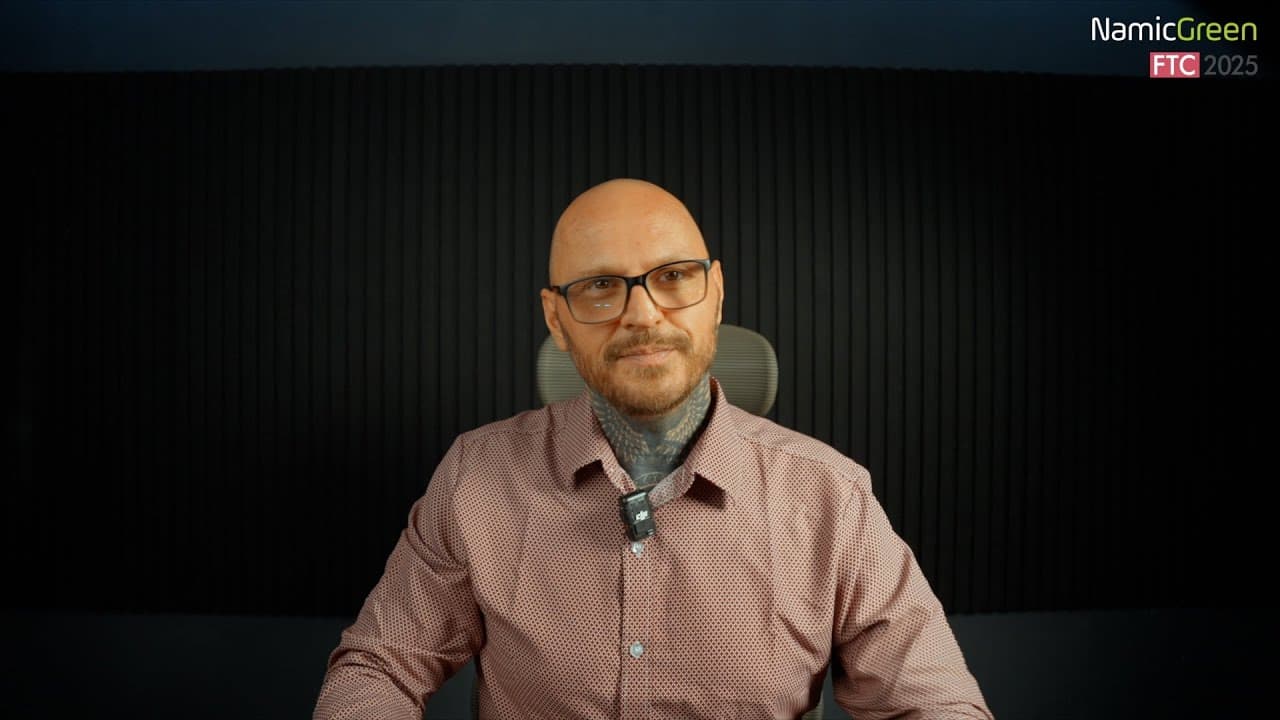 7:24 min · English
The first research film · FTC 2025
AI, people and environmental journalism in Mallorca. My original talk, connected to the published paper and an account of its limits.
Film & research recordThe topics
Science and technology are all around us. Explore my topics, from my own research to developments, ideas and people far beyond it.
New models, agents and tools: exploring their capabilities, mistakes and practical uses.
How I approach a claimPlenty of things sound convincing. Sources, tests and clear examples help us take a closer look.
Explore the sourcesInside my PhD at the University of Technology Sydney: research papers, experiments and questions still waiting for answers.
Explore my researchLocal AI, computers, cameras, sound and voice systems: the equipment and work behind the scenes.
Look inside the studioFrom the first source to publication: what helps, what remains uncertain and which decisions do people make?
Watch a research exampleEnvironmental observations, people and fieldwork in Mallorca. NamicGreen remains an active project, with its stories and future developments part of TechJournal.
Watch existing reportsOn YouTube
The channel already has a history: research, the environment, people and places. The existing NamicGreen films remain part of the shared TechJournal channel.
Existing videos & collectionsAI & research
My FTC 2025 talk, with the recording, published paper and context for that stage of the research.
Environment & fieldwork
Observations, environmental questions and reports from the island.
People & stories
NamicGreen’s history and the people and places behind it.
Nature & travel
Nature and landscapes from the existing film archive.
From the archive
An early look at the idea behind AIJIM, reflecting the project at that time. The September preprint's record explains the current research.
Taking a closer look
Enthusiasm for technology and critical questions belong together. These four steps help make sense of a claim — and leave room to change our minds.
Make it specific: what is supposed to work, for whom and under which conditions?
Look at sources, observations and tests. A compelling demo is a starting point; its conditions matter too.
Mistakes, missing data and counterexamples can help us understand.
What possibilities emerge? What can we try — and where do we need to look more closely?
The story continues
Records for the FTC talk, BIS paper and September preprint already bring together original sources and limits. Not every paper has a film yet. New findings should lead back to the original story, rather than silently overwrite it.
The film introduces a question and shows people, technology or an observation.
The accompanying record brings together sources, context, relevant research artifacts or cases, and open questions.
New findings and corrections connect back to the original story.
My research
In my PhD at UTS, I explore how we can trace and question AI-assisted claims: which sources support them, what has changed and what did a person decide? AIJIM, SHARK and NamicGreen play different roles.
My work spans an AI model for environmental journalism, an Evidence-First architecture for organisational decision support, and a machine-checkable specification of publication conditions. Two published conference chapters and a preprint that has not been peer reviewed document this research trajectory.
They examine different objects: findings from the early environmental study do not establish the performance of the later reference model or protocol. The three research records present each contribution, its authorship, sources and evidence boundaries separately.
Research approach
Making sources, claims and accountability traceable
AIJIM explores how sources, changes and human decisions can remain connected to a published claim. Public papers and versioned research artifacts document its development.
Explore papers and sourcesExperiment
My experimental editor environment
In SHARK, I explore ways of representing sources, changes and human decisions when writing with AI. Which approaches help, and where they add effort, remain open questions.
Explore SHARKEnvironment & fieldwork
An independent environmental project
What remains of an environmental photograph when someone else takes over the case? NamicGreen aims to keep observations, evidence, decisions and the next inspection together. Originating in Mallorca, it is being developed for Mallorca and New South Wales, Australia. An old finding does not establish today's conditions.
Explore NamicGreenSources & publications
Explore published papers, preprints and research artifacts from AIJIM. Each source has its own scope and status. Follow the links to read the originals.
Conference chapter
Conference chapter
AIJIM specification paper
Software & research artifacts
About me
I’m Torsten Olivi Tiltack, a PhD Candidate at the University of Technology Sydney. I’m interested in scientific questions as much as trying things out: what can we trace, demonstrate and explain clearly?
TechJournal is my personal channel for that curiosity. My research is part of it, alongside science from elsewhere, new technologies, questions in journalism and the people working with them.
Being transparent
TechJournal
Science, AI and new technology — clearly explained and explored in practice. Join me on YouTube.